Educational Insights on Balanced Nutrition for Men
Explore the principles of healthy eating, nutritious foods, and sustainable dietary patterns
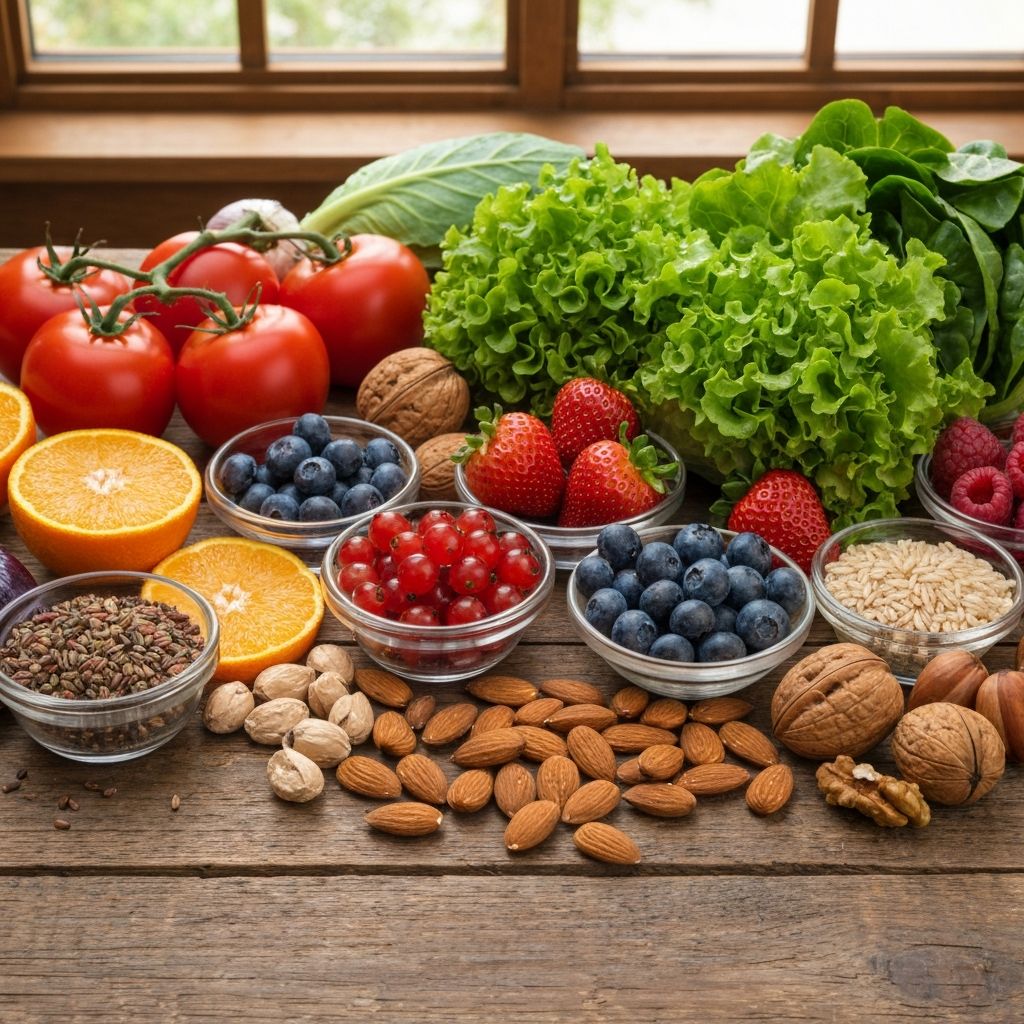
Educational content only. No promises of outcomes.
Principles of Healthy Eating
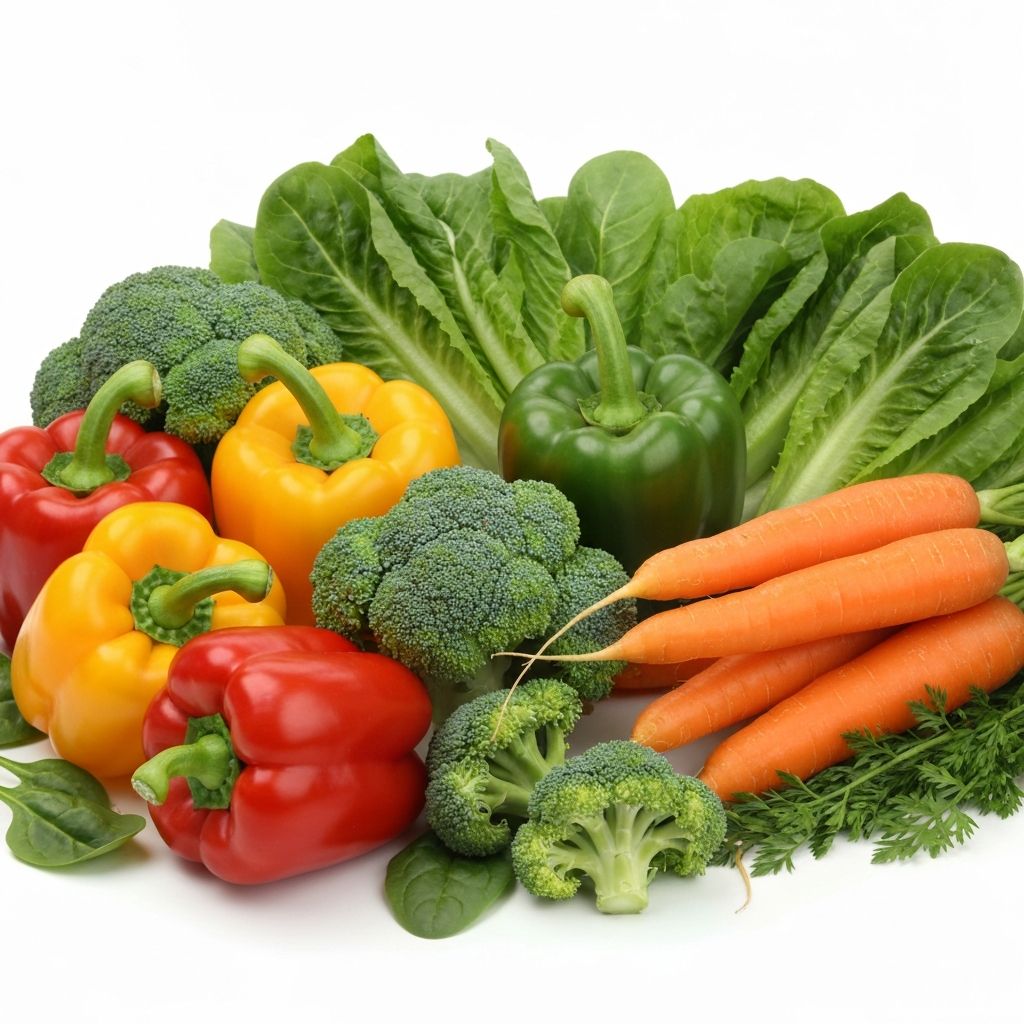
Healthy eating encompasses a variety of approaches and dietary patterns. The fundamental concept involves consuming a diverse range of whole foods that provide essential nutrients. This includes vegetables, fruits, whole grains, lean proteins, and healthy fats.
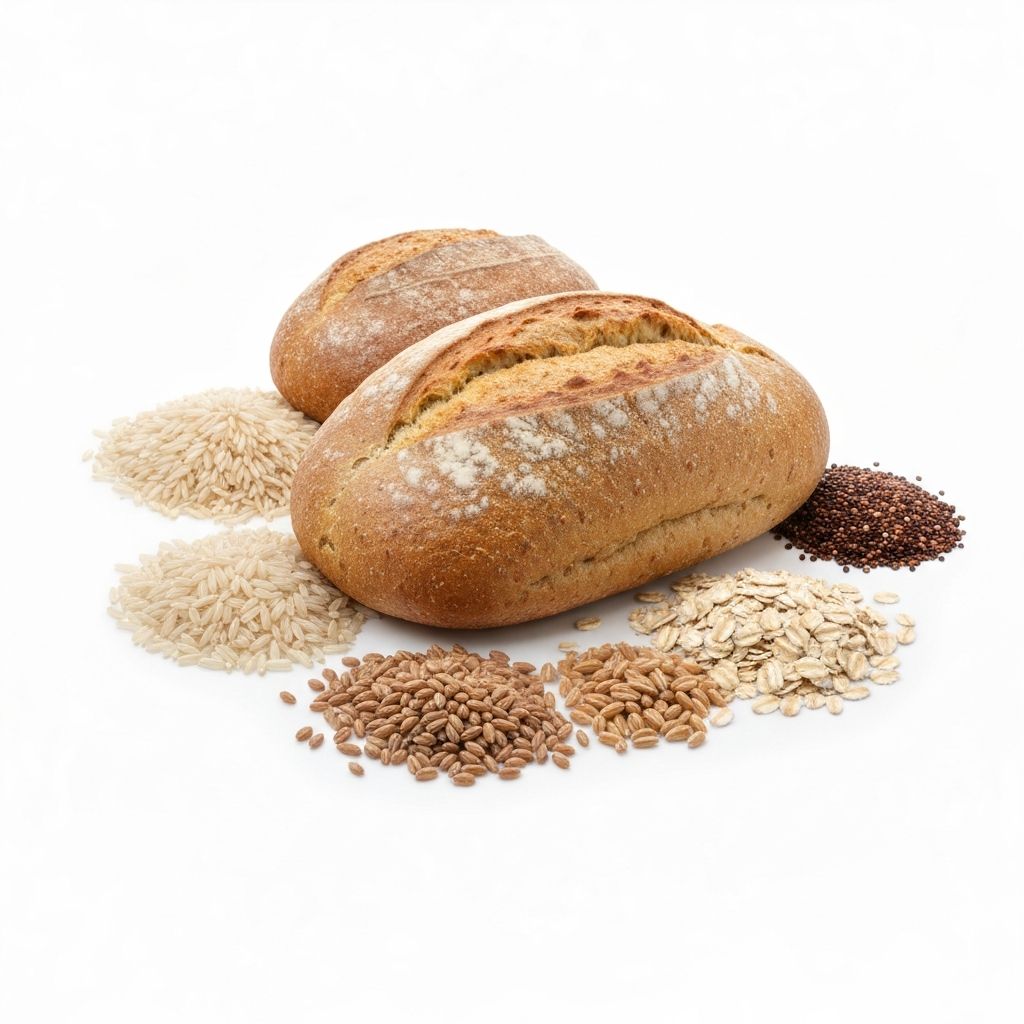
Research in nutritional science describes several eating patterns that are associated with general wellness. These patterns typically emphasize plant-based foods while including moderate amounts of animal products. The Mediterranean diet, for instance, has been studied extensively for its focus on olive oil, fish, legumes, and fresh produce.
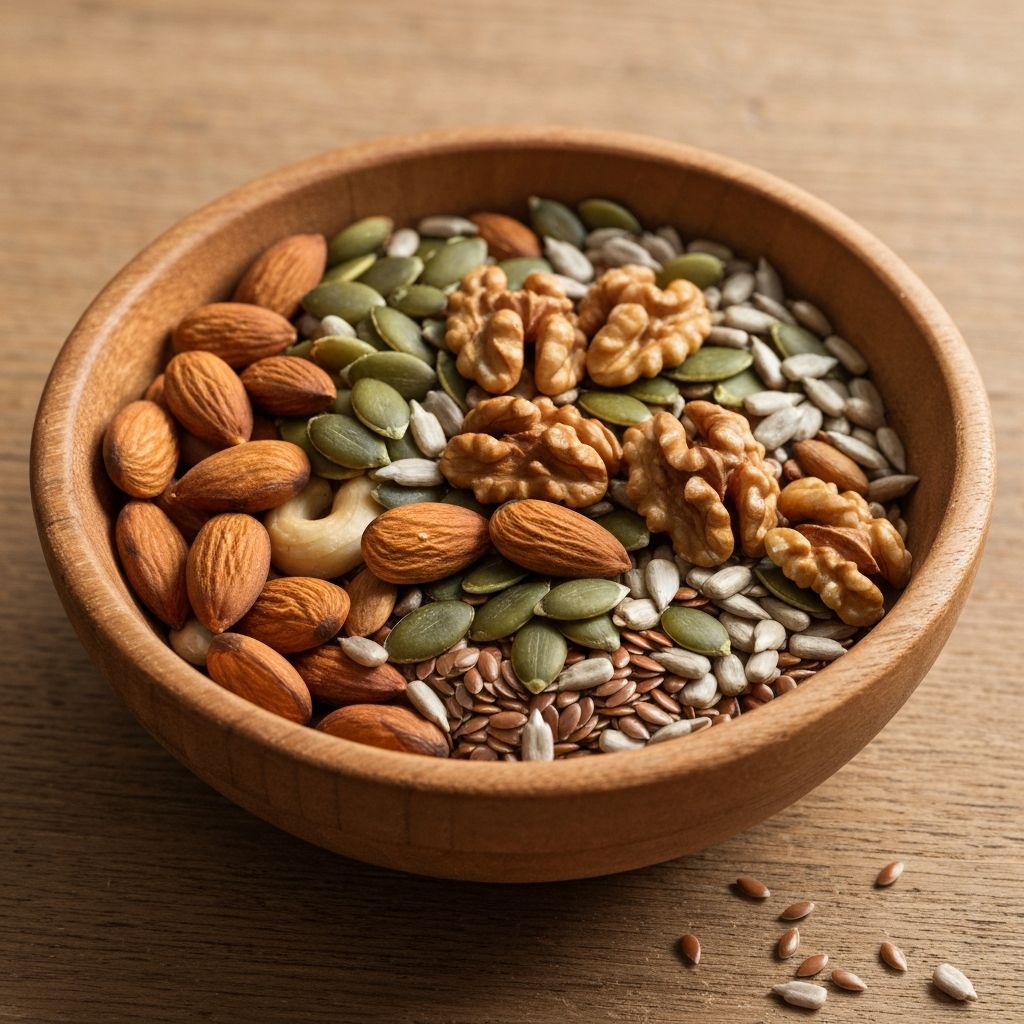
Understanding these principles allows individuals to make informed decisions about their daily food choices. Each person's nutritional needs vary based on age, activity level, and individual circumstances. Educational resources like this site aim to provide context rather than specific recommendations.
Macronutrients Overview
Carbohydrates
Carbohydrates serve as a primary energy source for the body. Complex carbohydrates found in whole grains, vegetables, and legumes provide sustained energy along with fiber and various nutrients.
Examples include oats, brown rice, quinoa, sweet potatoes, and whole wheat products. These foods contain naturally occurring sugars and starches that the body processes gradually.
Proteins
Proteins are composed of amino acids that support various bodily functions including tissue maintenance and enzyme production. Dietary protein sources include both animal and plant-based foods.
Common sources include fish, poultry, eggs, legumes, nuts, seeds, and dairy products. Different protein sources offer varying amino acid profiles and additional nutrients.
Fats
Dietary fats play important roles in nutrient absorption and cellular function. Different types of fats have different properties and are found in various foods.
Sources of unsaturated fats include olive oil, avocados, nuts, and fatty fish. These foods contain omega-3 and omega-6 fatty acids that are components of a balanced diet.
Fruits & Vegetables Guide
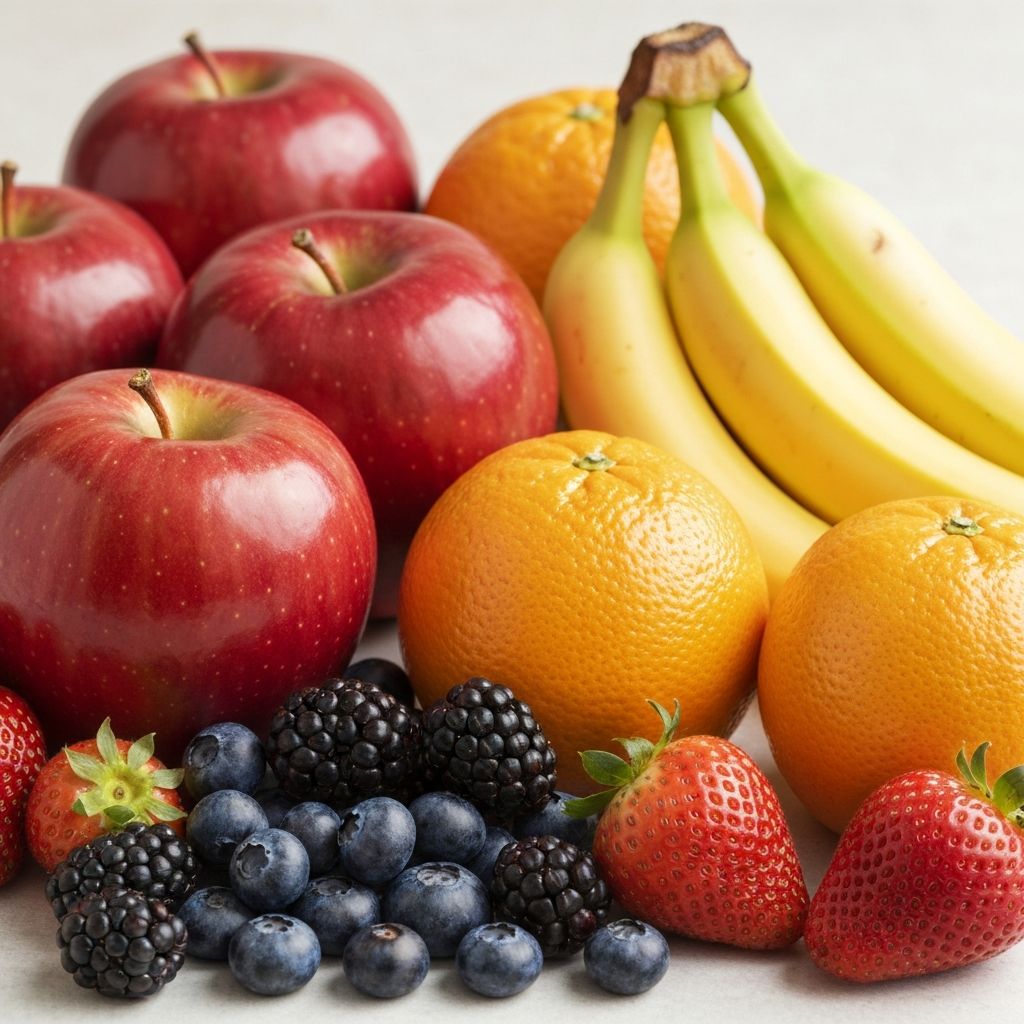
Fruits and vegetables form the foundation of most healthy eating patterns. These foods are rich in vitamins, minerals, fiber, and phytonutrients. Scientific literature describes thousands of bioactive compounds found in plant foods.
Vegetable Varieties
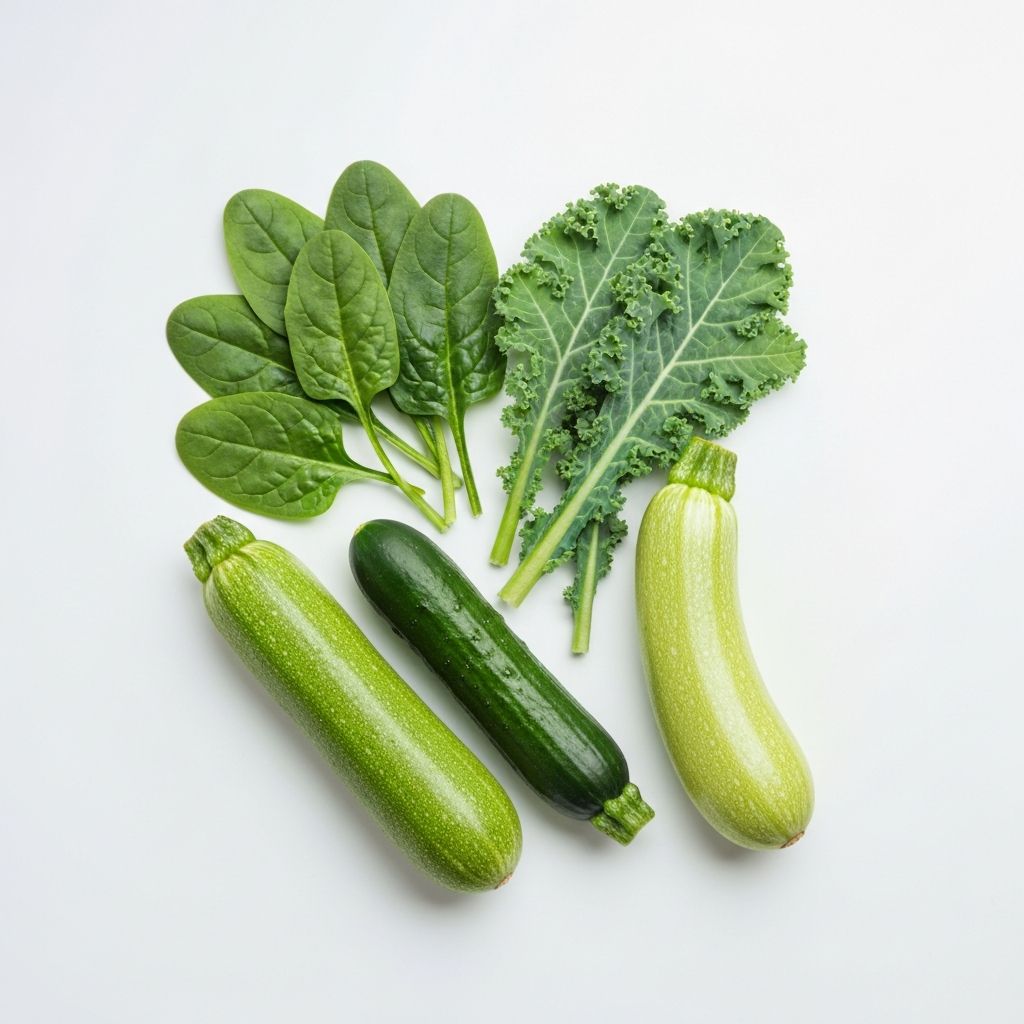
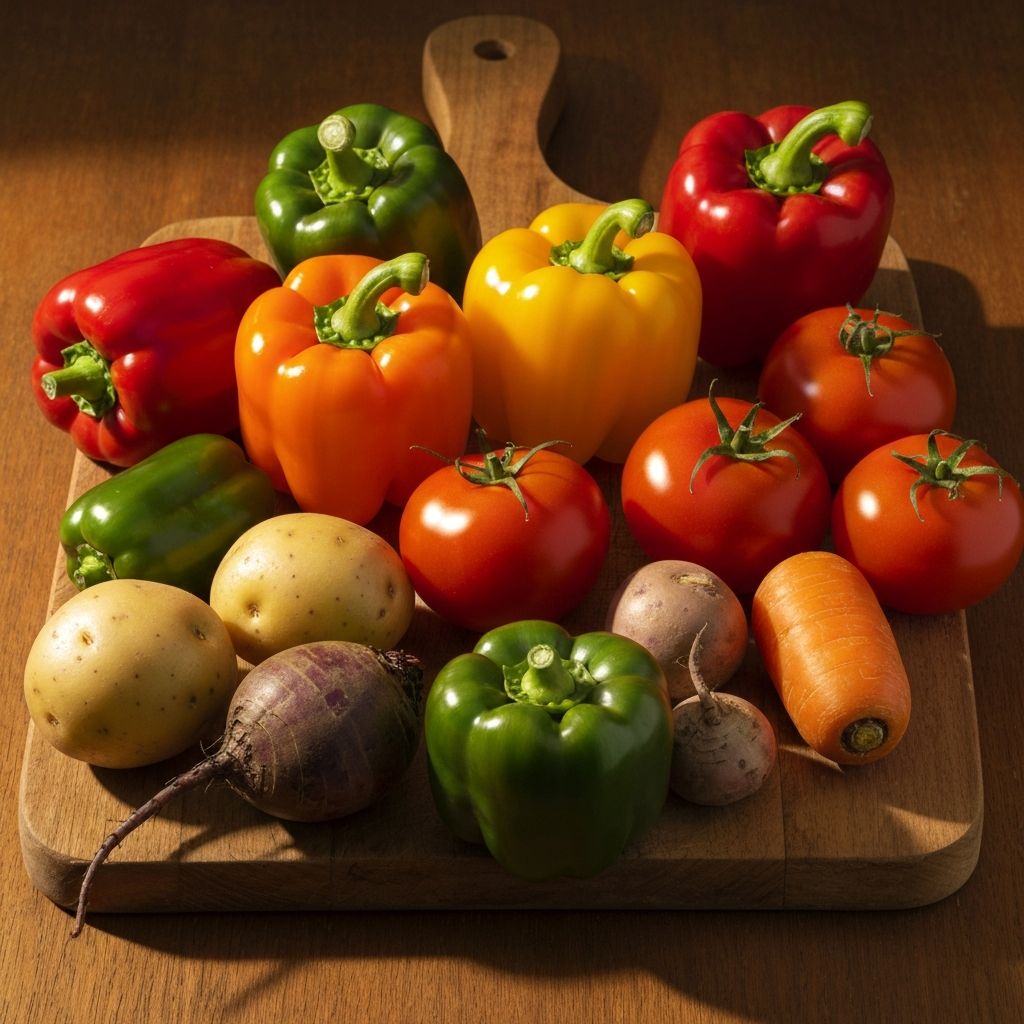
Vegetables can be categorized by color and type. Dark leafy greens like spinach and kale contain iron, calcium, and vitamins A and K. Cruciferous vegetables such as broccoli and cauliflower contain glucosinolates. Orange and red vegetables like carrots and bell peppers are sources of carotenoids.
Fruit Selection
Fruits provide natural sugars along with fiber, vitamins, and antioxidants. Berries are noted for their anthocyanin content. Citrus fruits contain vitamin C and flavonoids. Stone fruits, tropical fruits, and apples each offer distinct nutritional profiles. Eating a variety of colorful fruits ensures a diverse intake of nutrients.
Proteins & Healthy Fats
Protein Sources
Protein intake can be achieved through various food sources. Fish and seafood provide protein along with omega-3 fatty acids. Poultry offers lean protein with minimal saturated fat. Eggs contain all essential amino acids and various micronutrients.
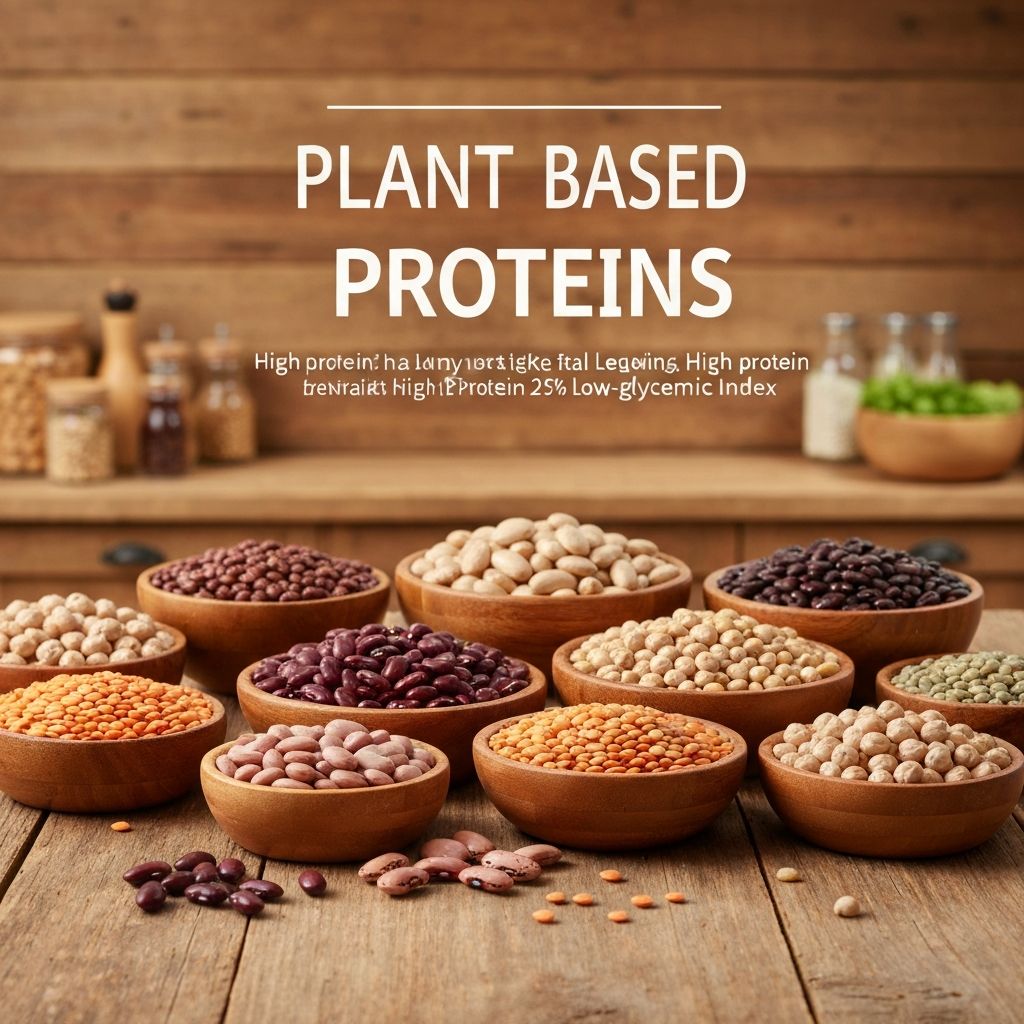
Plant-based proteins include legumes such as lentils, chickpeas, and black beans. Soy products like tofu and tempeh are complete protein sources. Nuts and seeds contribute protein along with healthy fats and fiber.
Beneficial Fats
Monounsaturated fats are found in olive oil, avocados, and certain nuts. These fats are liquid at room temperature and have been studied in relation to cardiovascular health. Polyunsaturated fats include omega-3 fatty acids found in fatty fish, flaxseeds, and walnuts.
The ratio and types of fats consumed vary across different dietary patterns. Mediterranean-style eating emphasizes olive oil as a primary fat source, while Nordic diets incorporate rapeseed oil and fatty fish. Understanding these patterns provides context for food choices.
Seasonal Ingredients

Consuming seasonal ingredients aligns with traditional eating patterns across cultures. Seasonal produce is typically harvested at peak ripeness and may offer optimal flavor and nutrient content. This approach also connects eating patterns with local agriculture and environmental considerations.
Understanding Seasonality
In Austria and Central Europe, spring brings asparagus, radishes, and early greens. Summer offers tomatoes, zucchini, berries, and stone fruits. Autumn features root vegetables, squashes, apples, and pears. Winter vegetables include cabbage, Brussels sprouts, and stored root vegetables.
Farmers markets and local producers often provide information about what is currently in season. This knowledge can inform meal planning and introduce variety throughout the year. Many traditional recipes evolved around seasonal availability of ingredients.
Energy and Nutrient Balance
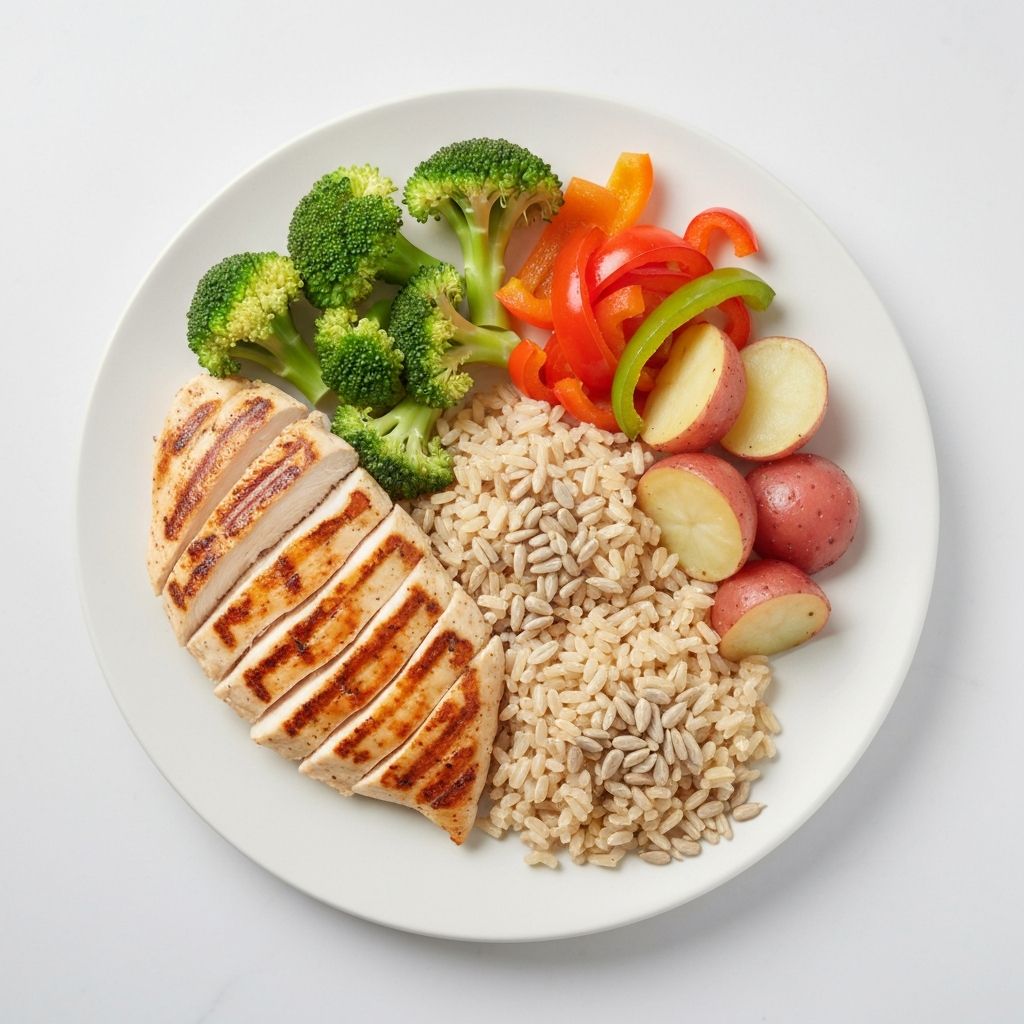
The concept of energy balance relates to the relationship between energy intake from food and energy expenditure through metabolism and physical activity. This is a fundamental principle in nutrition science, though individual needs vary widely.
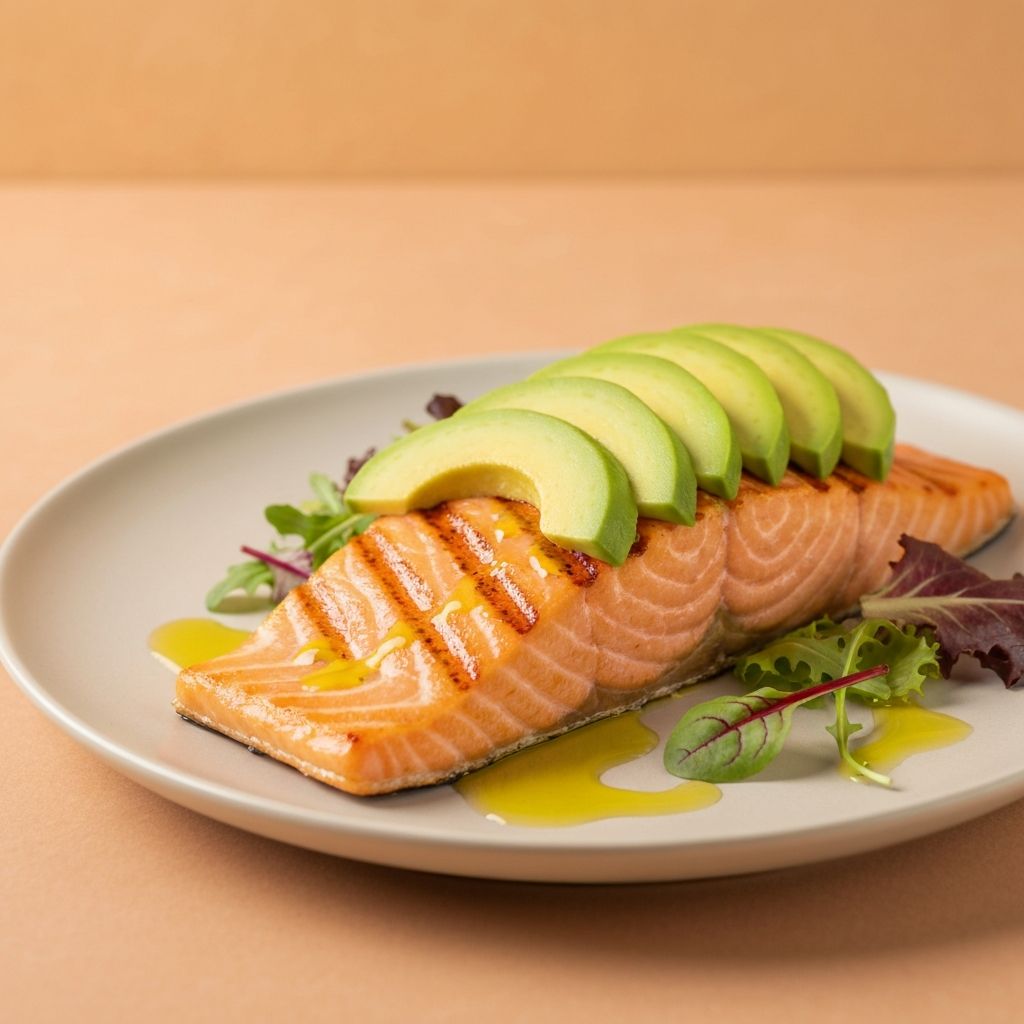
Nutrient density refers to the amount of nutrients provided relative to calories. Foods like vegetables, fruits, whole grains, and lean proteins are considered nutrient-dense. These foods provide vitamins, minerals, and other beneficial compounds along with energy.
Meal Composition
A balanced meal typically includes a source of protein, complex carbohydrates, vegetables, and a small amount of healthy fat. For example, a meal might consist of grilled fish, quinoa, roasted vegetables, and a side salad with olive oil dressing. Another example could be a legume-based dish with brown rice and steamed greens.
The specific proportions and combinations vary based on cultural traditions, personal preferences, and individual circumstances. Educational nutrition resources describe various plating methods, such as dividing a plate into sections for different food groups.
Scientific Insights
Nutritional Research
Nutritional science is an evolving field that investigates relationships between diet and health outcomes at population and cellular levels. Studies examine dietary patterns, individual nutrients, bioactive compounds, and their interactions within the body.
Epidemiological studies observe large populations over time to identify associations between dietary habits and health markers. Clinical trials test specific interventions in controlled settings. Laboratory research explores mechanisms at molecular levels.
Micronutrients and Phytonutrients
Vitamins and minerals are required in small amounts for various physiological processes. Vitamin D is obtained through sun exposure and certain foods. B vitamins are found in whole grains, legumes, and animal products. Minerals like zinc, magnesium, and selenium are distributed across various food sources.
Phytonutrients are plant compounds that include flavonoids, carotenoids, and polyphenols. These substances give plants their colors and may have antioxidant properties. Research continues to explore their roles and interactions within human physiology.
Myths and Facts
Carbohydrates and Energy
Myth: All carbohydrates should be avoided.
Fact: Carbohydrates are a primary energy source. The type and quality of carbohydrates matter. Whole grain sources provide fiber and nutrients, while refined products offer primarily calories. Context and overall dietary pattern are important considerations.
Fat in the Diet
Myth: All fats are harmful.
Fact: Fats are essential for various bodily functions. Different types of fats have different properties. Unsaturated fats from plant sources and fish are components of many healthy dietary patterns, while excessive saturated fat intake is generally discouraged in nutrition guidelines.
Protein Needs
Myth: More protein is always better.
Fact: Protein needs vary based on factors like age, activity level, and individual circumstances. Most people in developed countries consume adequate protein. Both animal and plant sources can meet protein requirements when consumed as part of a varied diet.
Organic vs Conventional
Myth: Only organic foods are nutritious.
Fact: Both organic and conventional produce provide vitamins, minerals, and fiber. Research on nutritional differences shows mixed results. The most important factor is consuming adequate amounts of fruits and vegetables, regardless of production method.
Lifestyle Awareness Tips
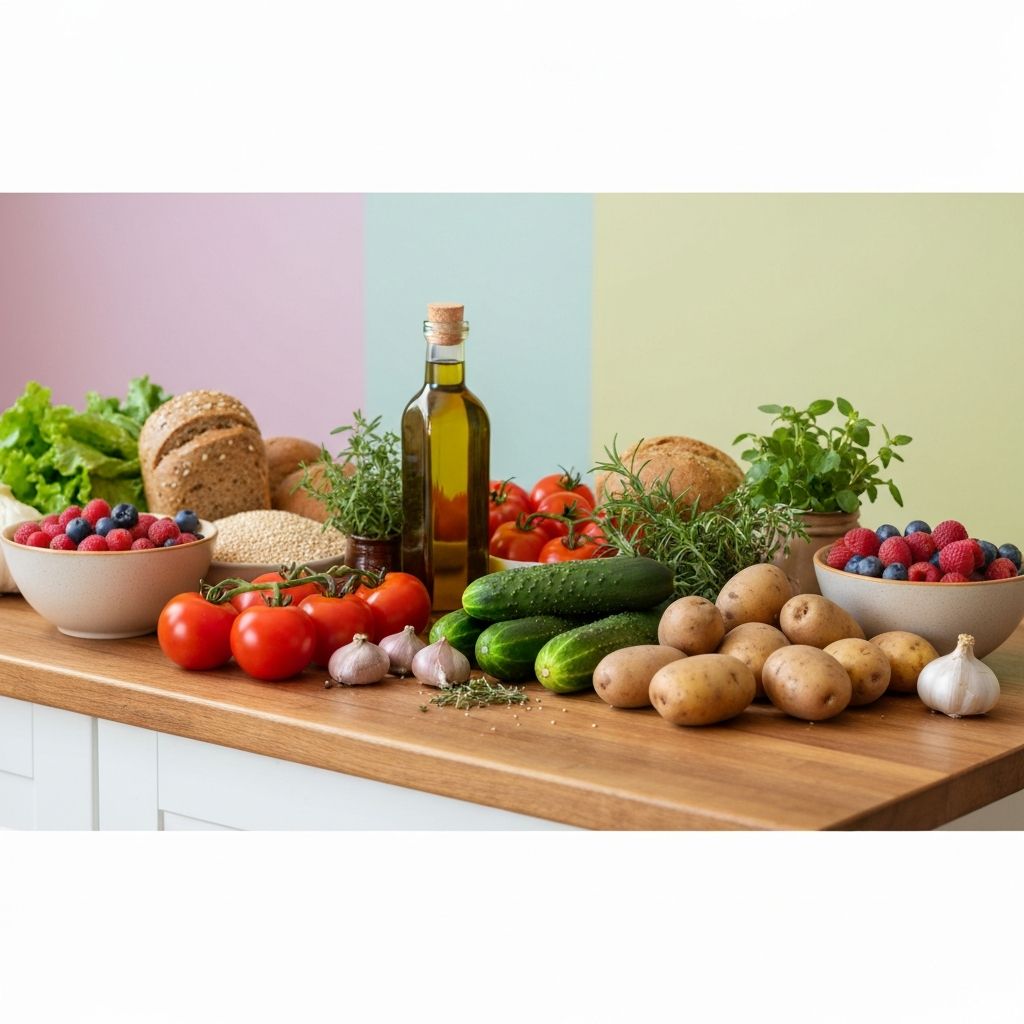
Meal Planning Considerations
Planning meals in advance can help ensure variety and nutrient diversity. This practice involves selecting recipes, creating shopping lists, and preparing ingredients ahead of time. Many people find that batch cooking and food storage strategies simplify weekday eating.
Reading Food Labels
Food labels provide information about ingredients and nutrient content. Understanding how to interpret these labels allows consumers to make informed choices. Key elements include serving size, ingredient list, and nutrient information.
Hydration
Water is essential for all bodily processes. Fluid needs vary based on factors like climate, activity level, and individual physiology. Plain water, herbal teas, and water-rich foods like fruits and vegetables contribute to daily fluid intake.
Mindful Eating
Mindful eating involves paying attention to hunger and fullness cues, eating without distractions, and savoring food. This approach draws from various traditions and has been studied in relation to eating behaviors. It emphasizes awareness rather than strict rules.
Products
The following examples illustrate nutrient-rich food categories that appear in various healthy dietary patterns. This information is provided for educational purposes to explain nutritional concepts.
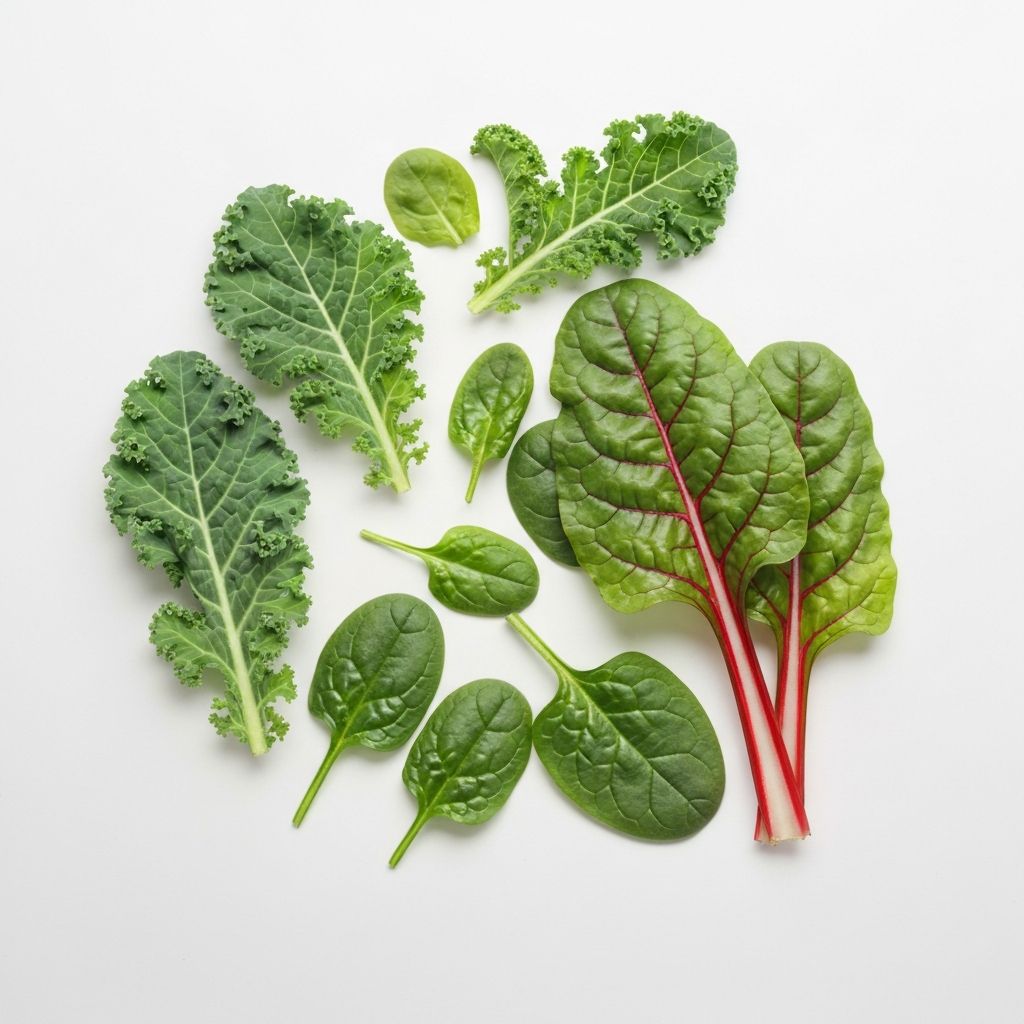
Leafy Greens
Dark leafy vegetables such as spinach, kale, and Swiss chard are rich in vitamins A, C, and K, along with minerals like iron and calcium. They also contain folate and various phytonutrients. These vegetables can be consumed raw in salads or cooked in various dishes.

Berries
Berries including blueberries, strawberries, and raspberries contain vitamin C, fiber, and anthocyanins. Research has examined these compounds in various contexts. Berries can be eaten fresh, added to yogurt or oatmeal, or used in smoothies.
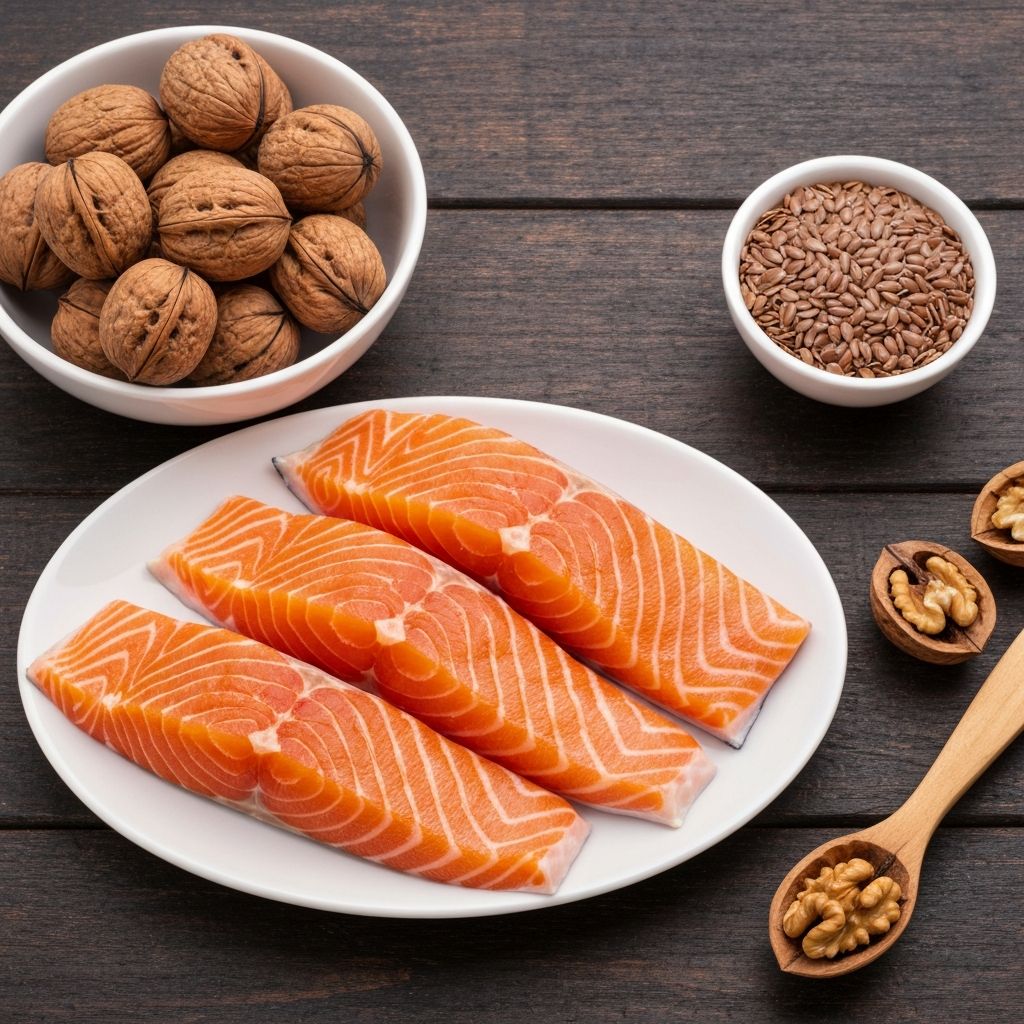
Fatty Fish
Fish such as salmon, mackerel, and sardines provide protein and omega-3 fatty acids EPA and DHA. These foods also contain vitamin D and selenium. Many dietary guidelines recommend consuming fish regularly as part of a balanced eating pattern.
References & Studies
The information on this website draws from peer-reviewed nutritional research and established dietary guidelines. Key sources include:
- World Health Organization nutritional guidelines and publications
- Research published in journals such as The American Journal of Clinical Nutrition, The Journal of Nutrition, and Nutrients
- Dietary guidelines from various countries including Austria, Germany, and the United States
- European Food Safety Authority scientific opinions
- Systematic reviews and meta-analyses on dietary patterns and health outcomes
Scientific understanding of nutrition continues to evolve as new research emerges. This website is updated periodically to reflect current knowledge in the field.
Community Knowledge Hub
This educational resource serves as a knowledge hub for understanding balanced nutrition. The content covers various aspects of healthy eating, from basic principles to specific food categories.
Topics Covered
- Macronutrients and their functions
- Micronutrients and phytonutrients
- Fruits and vegetables guide
- Protein and fat sources
- Seasonal eating patterns
- Energy balance concepts
- Scientific research insights
- Practical lifestyle considerations
This site aims to present nutritional information in an accessible, educational format. All content is intended to explain concepts rather than provide individual advice.
Limitations and Context
The information on this website is educational in nature and describes general nutritional concepts. It does not constitute personal advice or recommendations. Individual nutritional needs vary based on numerous factors including age, health status, activity level, and personal circumstances.
Different approaches to eating exist across cultures and scientific perspectives. This site presents information to help readers understand various concepts, not to direct specific behaviors. Readers should consult appropriate professionals for personalized guidance.
Continue Learning
Explore more articles and educational content about balanced nutrition and healthy eating patterns.
Learn more